As concerns about the environment grow, more people are seeking ways to reduce their carbon footprint, including in thekitchen. Energy-efficient appliances are an excellent way to save energy, lower utlity bills, and contribute to a moresustainable lifestyle. Here’s a guide to some of the most energy-efficient kitchen appliances and how they can benefit bothyou and the environment.
(I) Refrigerators
Refrigerators are one of the most energy-intensive appliances in the home,running 24/7 to keep food fresh. Energy-efficientmodels use advanced insulation, compressors, and fans to reduce energy consumption, Look for refrigerators with theENERGY sTAR label, which indicates they meet strict energy efficiency guidelines set by the u.s. Environmental ProtectionAgency (EPA). Features like adjustable thermostats, energy-saving modes, and LD lighting also contribute to energy savings
(2)Dishwashers
Modern dishwashers are designed to be much more energy-efficient than older models. They use less water and energywhile stil providing excellent cleaning performance. NERGY STAR-certified dishwashers can save significant amounts ofwater and electricity. Additionally,features like soil sensors, which adiust water use based on the cleanliness of the dishesand efficient drying technologies, such as air drying, further reduce energy consumption.
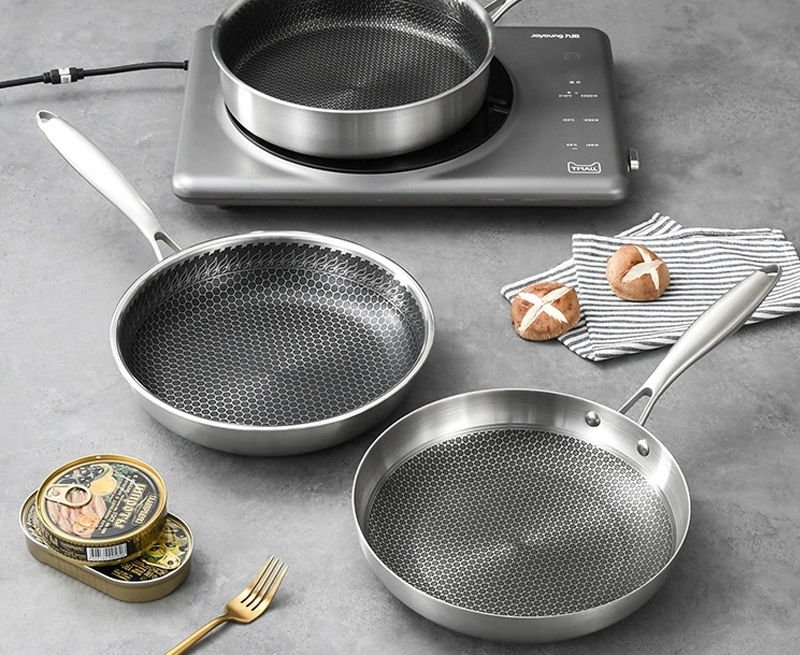
(3)induction Cooktops
Induction cooktops are one of the most energy-efficient cooking methods available. They use electromagnetic energy todirectly heat the cookware,resulting in faster cooking times and less energy waste. Unlike gas or electric cooktops, inductioncooktops do not aenerate excess heat, making them more efficient and comfortable to use, especially in warm climates.Additionaly, they offer precise temperature control, which can lead to further energy savings
(4)Microwave Ovens
Microwave ovens are hiahly energy-eficient for certain cooking tasks, such as reheating leftovers or cooking small portionsThey use microwave radiation to directly heat food, which is faster and more efficient than conventional ovens. while notsuitable for alltypes of cooking, microwaves can save significant amounts of energy compared to using a ful-sized oven.Many modern microwaves also come with energy-saving features, such as eco-mode settings.
(5)Energy-Efficient Ovens
Ovens have also seen improvements in energy eficiency, with many modern models designed to use less energy.convection ovens, for example, use a fan to circulate hot air,cooking food more evenlv and auickivy, which reduces cookinatimes and energy use. some ovens also have energy-saving modes that lower the temperature when not in use. Additionally,using an oven’s self-cleaning feature sparingly and cooking multiple dishes at once can further optimize energy use.